⚠️ This film contains scenes that some viewers may find disturbing

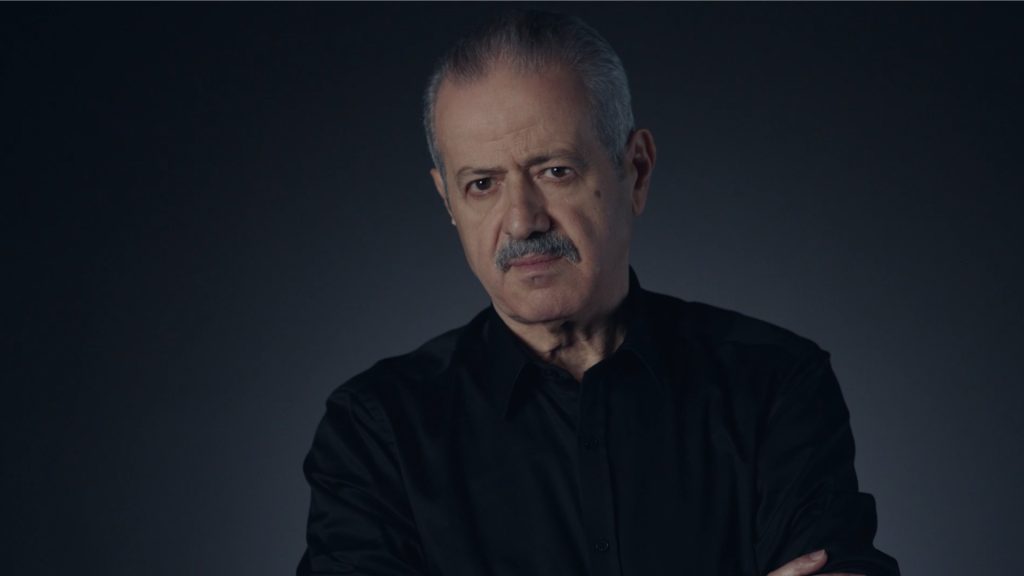
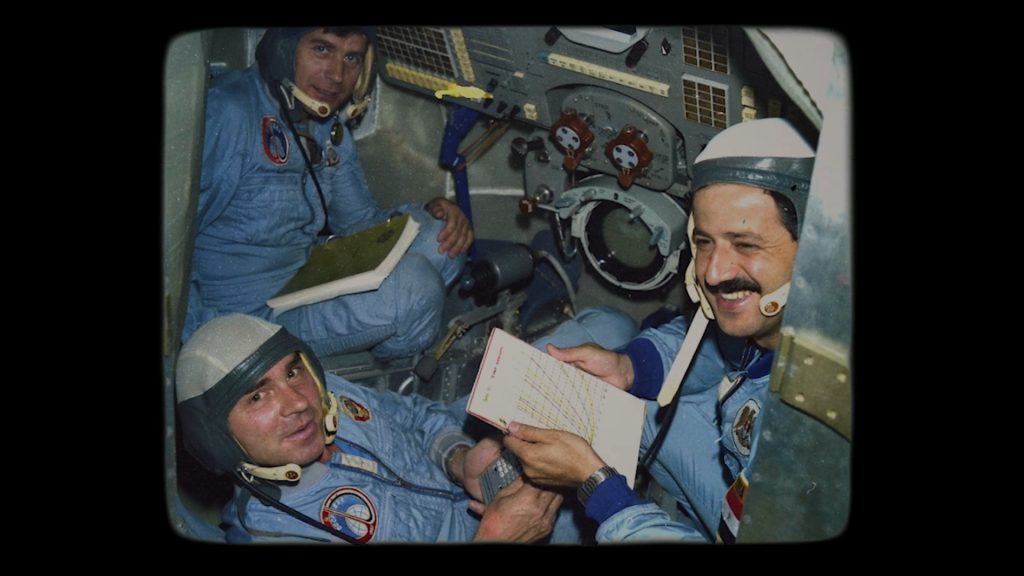
7 days, 23 hours, and 5 minutes. That’s how long Muhammad Faris spent in space in July 1987, becoming the first Syrian cosmonaut. Upon his return to Earth, Muhammad was celebrated as a national hero. Schools, streets, and an airport were named after him.

When civil war broke out in Syria in 2011, the Aleppo native opposed Bashar al-Assad’s bloody regime and joined the protests, before fleeing to neighboring Turkey with his family. Like millions of his compatriots, the cosmonaut became a refugee.

“From space I saw Earth, indescribably beautiful with the scars of national boundaries gone.” – Muhammad Faris

A short documentary film directed by Charles Emir Richards

Production: Enis Özkul, Charles Emir Richards, Racha Najdi
Cinematography: Charles Emir Richards
Artwork: Murat Palta, Garip Ay
Original music: Murat Ertel
Editing: Khaled Nadim
Visual effects: Emre Aypar
Sound design: Celal Kıvanç
Assistant director: Onur Bektaş
Production supervision: Onur Bektaş
Post-production supervision: Arda Erkmen
Color grading: Ercan Küçük

Interview

Charles Emir Richards | 99.media

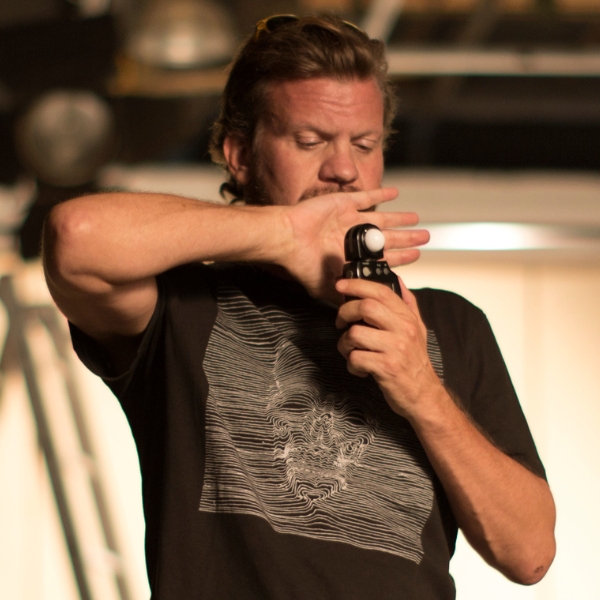
Charles Emir Richards Filmmaker

“Muhammad Faris was a larger-than-life character. He never gave up hope for even a second.”
  • Can you tell us a few words about yourself, Charles Emir?


I’m half Turkish, half American, and I live in Istanbul. I started out cutting my teeth on commercials and music videos. I discovered documentaries a little later in life, but once I did, I became completely hooked, addicted, enamored, whichever adjective you prefer!
The Syrian Cosmonaut | 99.media
  • How did you meet Muhammad Faris?


A friend of mine mentioned Mr. Faris in passing, and I couldn’t believe that we had an astronaut living in exile in the same city as me. I asked another friend, who owns a magazine, if she could do an interview with him. She said sure, but that I should do the interview myself. We got along so well that we eventually decided to make a documentary together.

  • During the interviews, Muhammad Faris seems like a very determined yet calm man. What impression did he make on you?


Mr. Faris was a larger-than-life character, on and off the screen. He had a real presence. After our first round of interviews, I told him that I’d worked with a lot of celebrities, but I had never been as excited as I was at that moment. He turned to me, very matter-of-factly, and said it was normal — because there are millions of artists, singers, and actors, but only about 550 astronauts.

The Syrian Cosmonaut | 99.media
  • After more than 13 years of civil war, Bashar Al-Assad’s regime finally fell in December 2024. Unfortunately, Muhammad Faris died a few months earlier, in April 2024, following a heart attack, at the age of 74. He did not live to see Syria liberated. How did he experience his exile in Turkey?


He was always deeply active in the Syrian community in Istanbul and tirelessly committed to furthering science and space exploration. One thing I can say with absolute certainty is that Faris never gave up hope for even a second. Until the very end, he believed that Syria would someday be a free and democratic country.

We attended his funeral, and it was heartbreaking that he didn’t live long enough to see the thing he believed in so fiercely. I think he would have been very happy knowing he was going to be buried in this country.

“It’s hard to believe now, but back in the day he was like all The Beatles all rolled into one!”
The Syrian Cosmonaut | 99.media
  • Muhammad Faris was erased from Syrian history after fleeing to Turkey. What is the situation today? Has he been rehabilitated by the new regime?


His son Houzeyfa is very active in the new government. In fact he was just elected as a senator. He told me on the phone that he has finally gained access to all of his father’s archives after all these years.

Nobody has forgotten Faris. It’s hard to believe now, but back in the day he was like all The Beatles all rolled into one! My understanding is that steps are being taken to give back his proper place in Syrian history.

  • Your film is aesthetically rich, combining historical archives, amateur footage, clips from old science fiction films, on-camera interviews, and animation. All with a distinctly Middle Eastern touch.


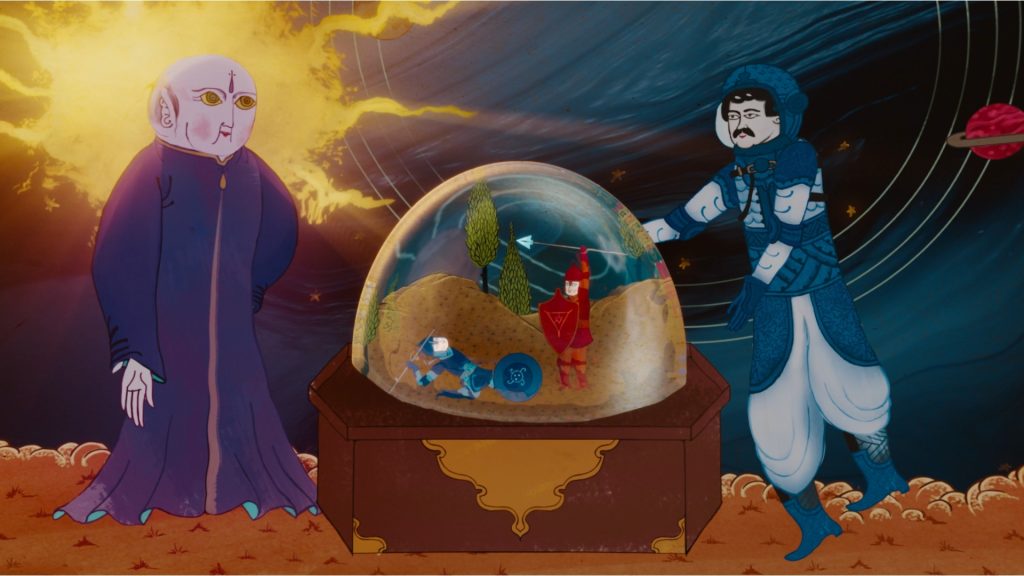
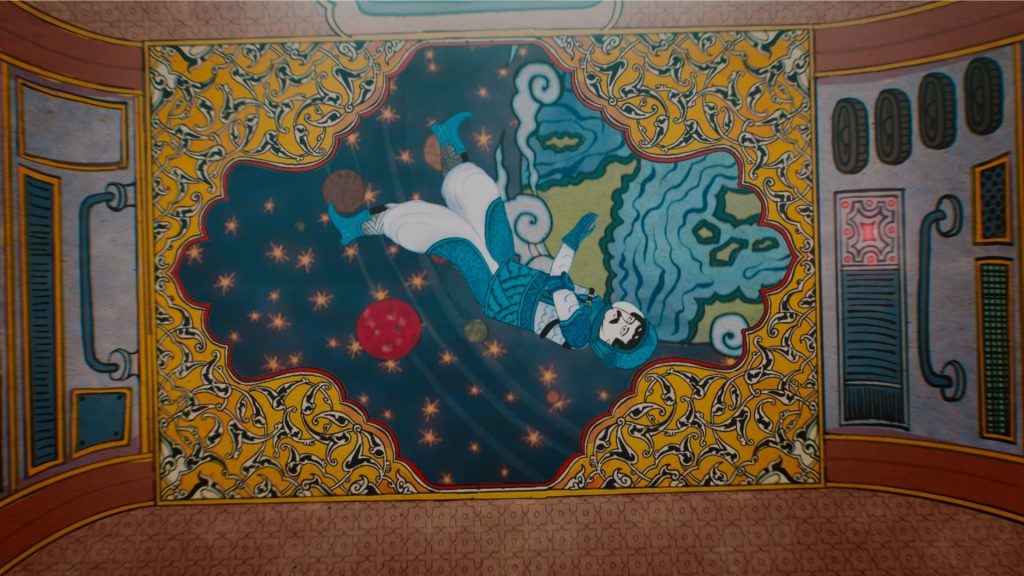
When we look at space travel, we almost always view it from a Western perspective, through American or Russian eyes. We rarely get to see an Eastern perspective on the space race. For me, this was an amazing opportunity to weave in all these lesser-known Middle Eastern elements: the music, the miniatures, and even outer space itself, which in much of the film is created using liquid marbling, ebru.

The Syrian Cosmonaut | 99.media
  • Your film is divided into two parts, with the first part focusing on the space journey until the outbreak of war violence. However, your aesthetic choices lend a dreamlike quality to your story, which is tragic in nature.


I hadn’t consciously thought of the film as dream-like, but I can see why you’d say that. Early in the process, when I was still editing on paper, I considered giving it a children’s storybook look — but with all the tragedy Syria has endured, that approach didn’t feel appropriate.

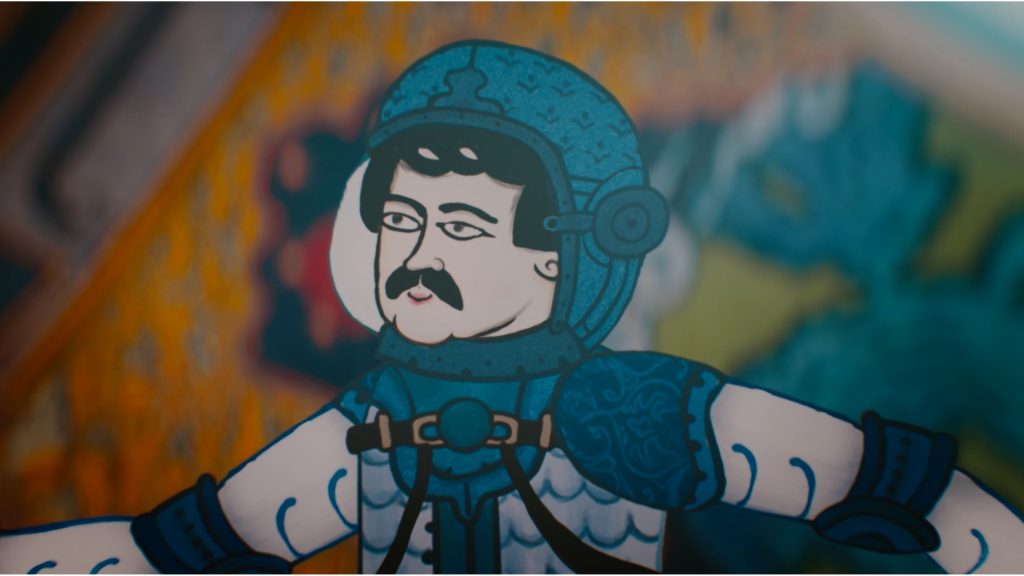
Still, maybe some of those childlike qualities found their way in. Working with the miniatures was both agony and ecstasy. We had a fantastic artist, Murat Palta, but it took a long time to figure out how the animation should work.

Miniature art hasn’t been common in Syria since the 1940s and 50s, and it’s a dying art form here in Turkey as well. Using it felt like a way to preserve the craft while also preserving the memory of Muhammad Faris. Sadly, many Western viewers don’t understand the miniature reference.

The Syrian Cosmonaut | 99.media
  • What are your projects?


We’ve just started developing a new documentary with much of the same team from The Syrian Cosmonaut. This time we’re focusing on animals in Anatolia that were once believed to be extinct — or nearly so — and are now starting to return. It’s a remarkable story, not only from an ecological standpoint, but also culturally.

What excites us is that these animals carry a lot of mythology, folklore, and symbolism that’s still very present in Anatolian culture. Some of these stories go back thousands of years, yet they feel strangely current — you can almost map them directly onto things happening in the region today.

So the project combines natural history, field expeditions, and scientific research with narrative layers of myth and collective memory. In that sense, it shares a lot of DNA with The Syrian Cosmonaut. It’s about the land, the people, what we think we’ve lost, and what finds its way back.

  • What’s your view on short documentaries?


Short documentaries, to me, are the building blocks of cinema. The very first films ever made were short documentary pieces — even though the word “documentary” didn’t exist yet. It’s such a fundamental form, and such a powerful one.

  • Is there a specific film that caught your eye on 99?


I really enjoyed I Don’t Like Losing. It’s so well-made, and they use the entire cinematic toolkit masterfully. As the father of an 11-year-old, the story of Leandre hit home emotionally. It’s such a great story, and so well told — hats off!

  • What do you think of 99 and the fact that your film is now subtitled in several languages?


I think the ability to watch the film in so many languages is brilliant. Beyond that, I’m truly impressed by the whole website — the way it works, the design, everything.

And of course, congratulations on your IDA award. Seriously, well deserved!

No algorithm
between us!

Join our
8,000 newsletter subscribers ↓